Best Gray Landing Page Design Inspiration
A curated collection of Gray landing page design for your inspiration. Get inspired by real landing page examples, each review featuring a full screenshot and highlighting standout features.
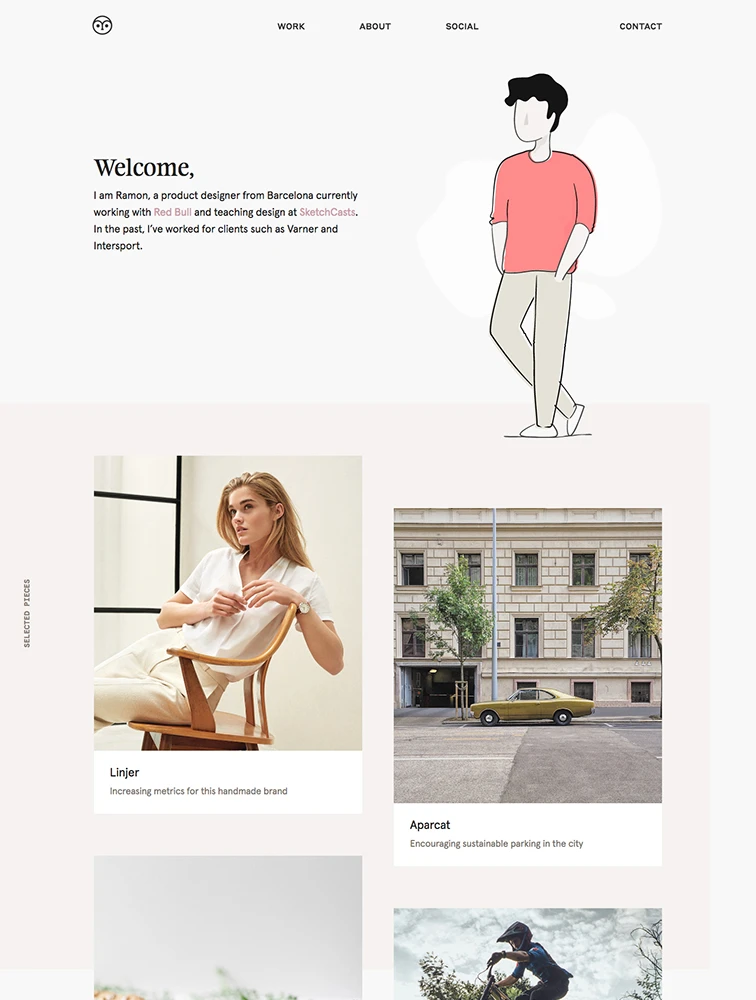
 Ramon Gilabert

 Webflow

 Significa
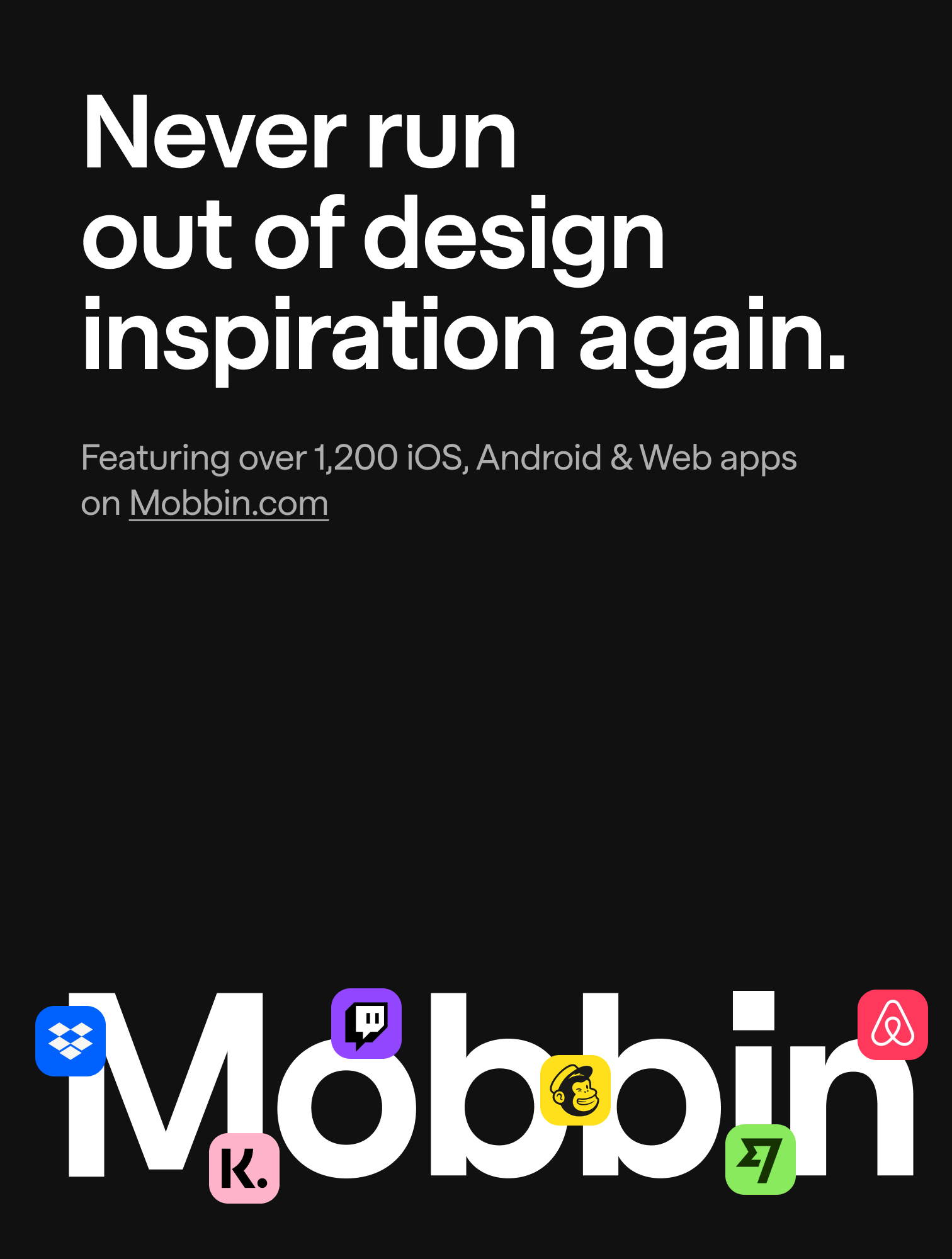
 Mobbin.com

 Playdate
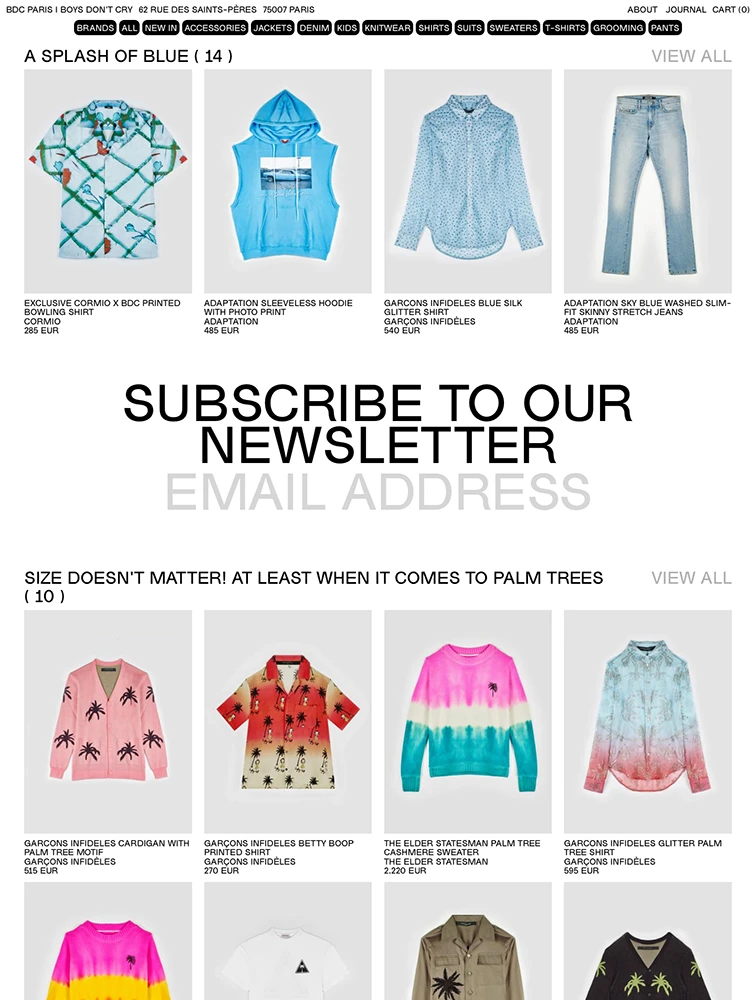
 BDC Paris
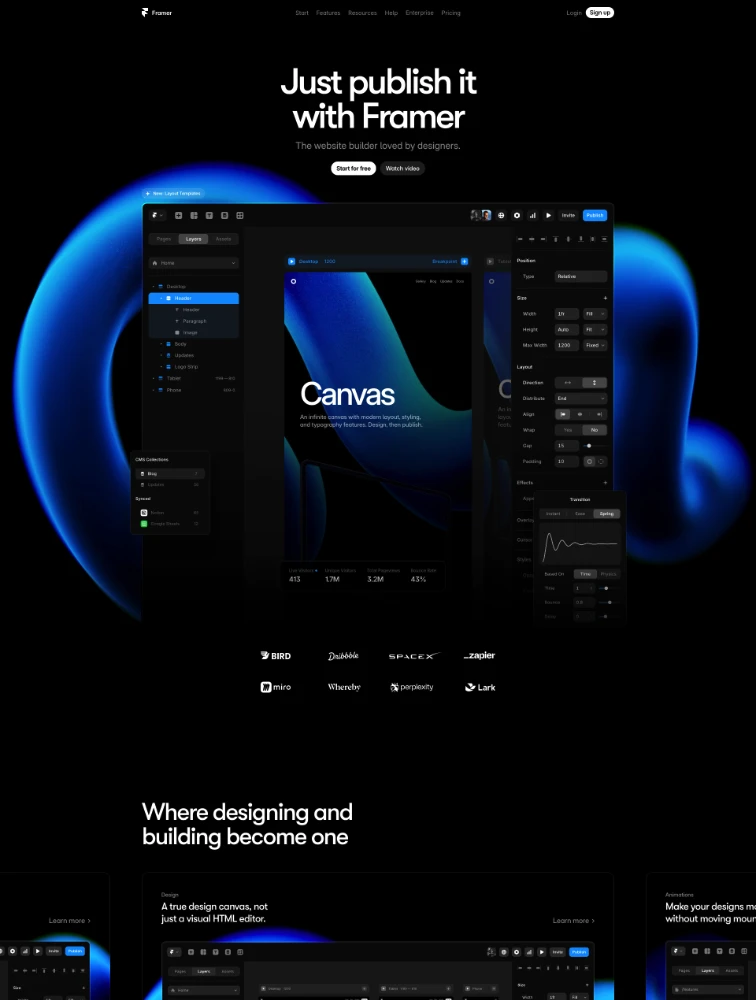
 Framer
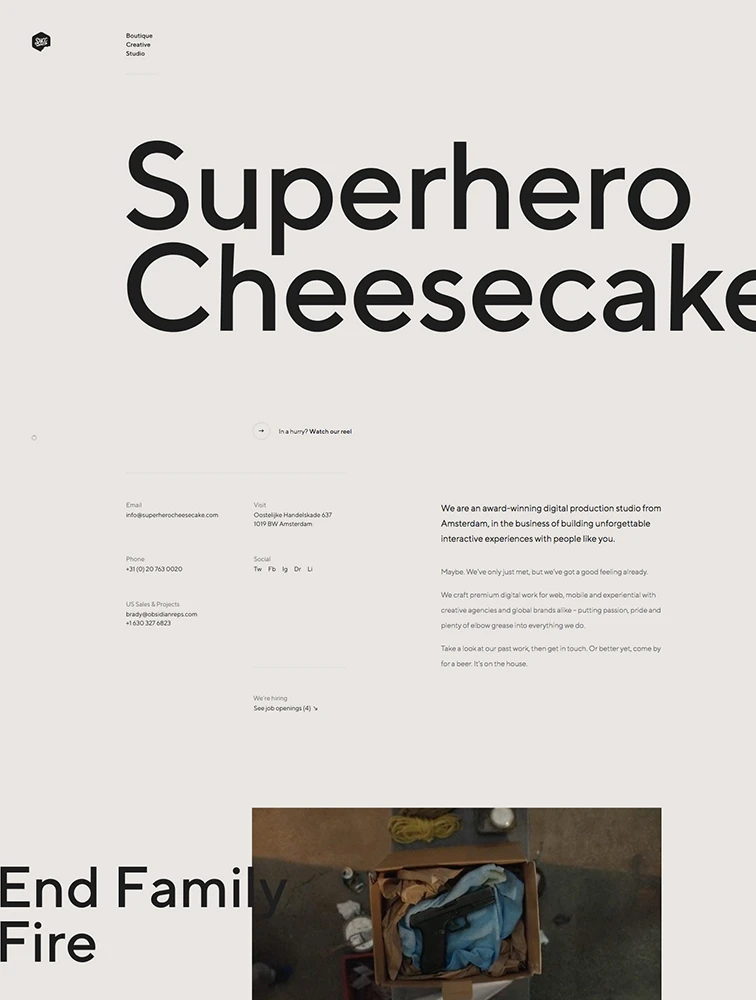
 Superhero Cheesecake
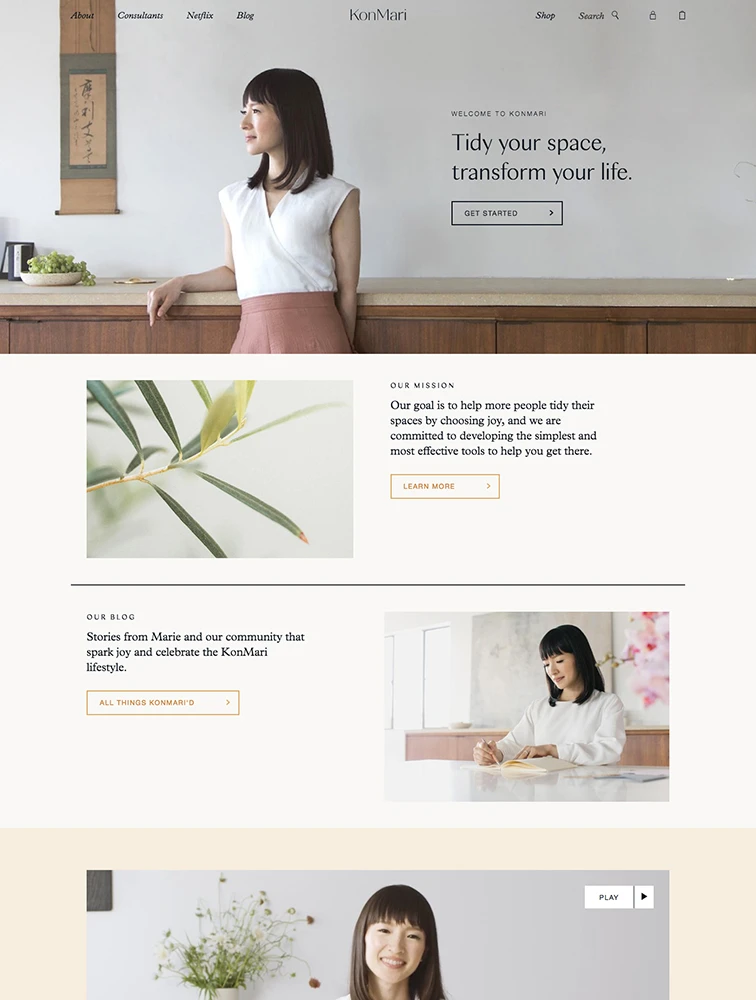
KonMari
 Featured Partner
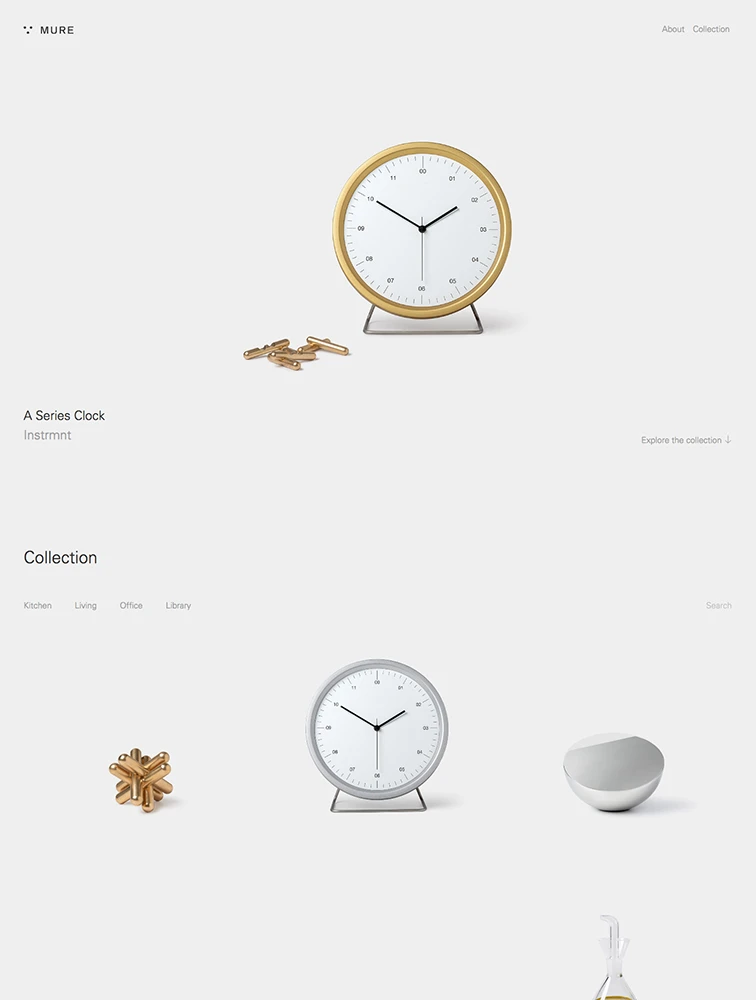
 Mure
Mure
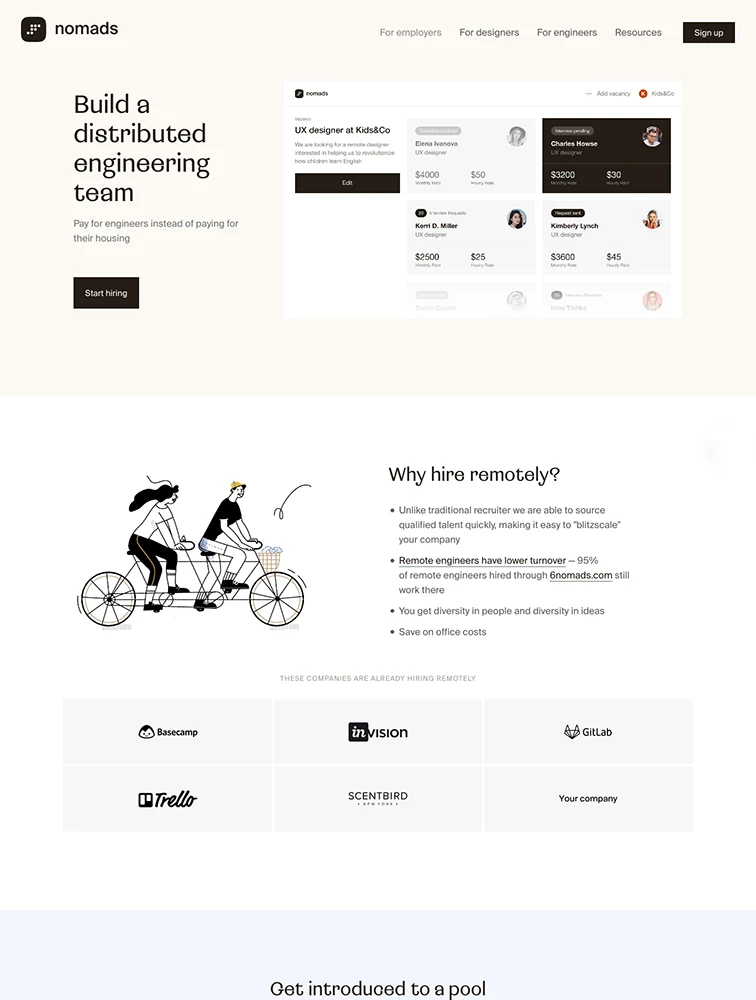
6nomads
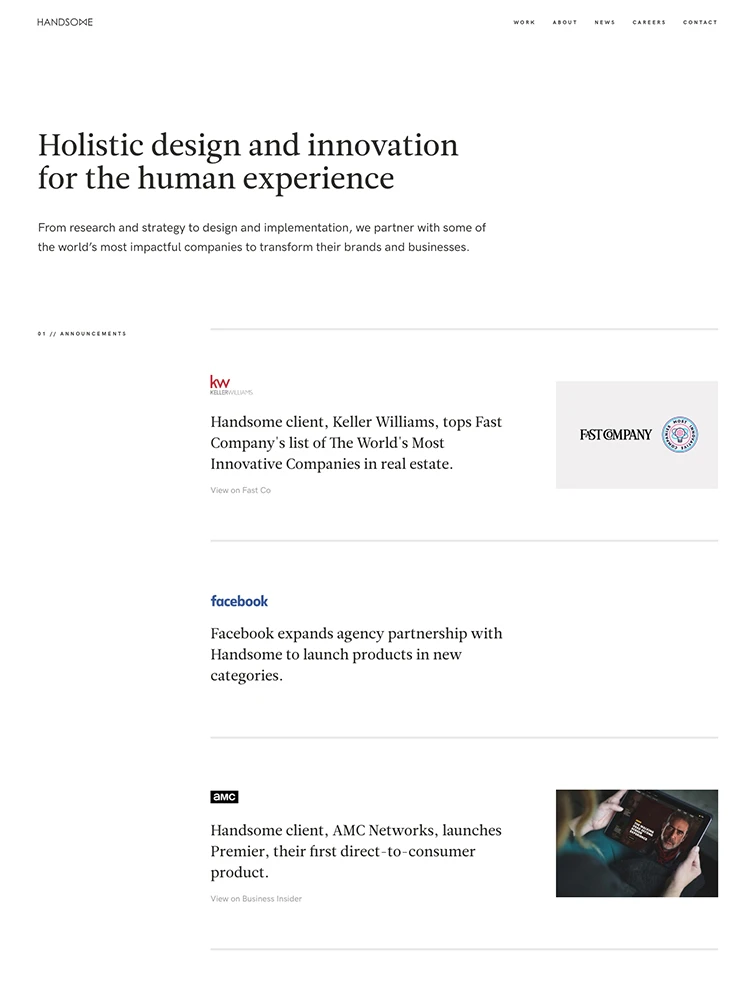
Handsome
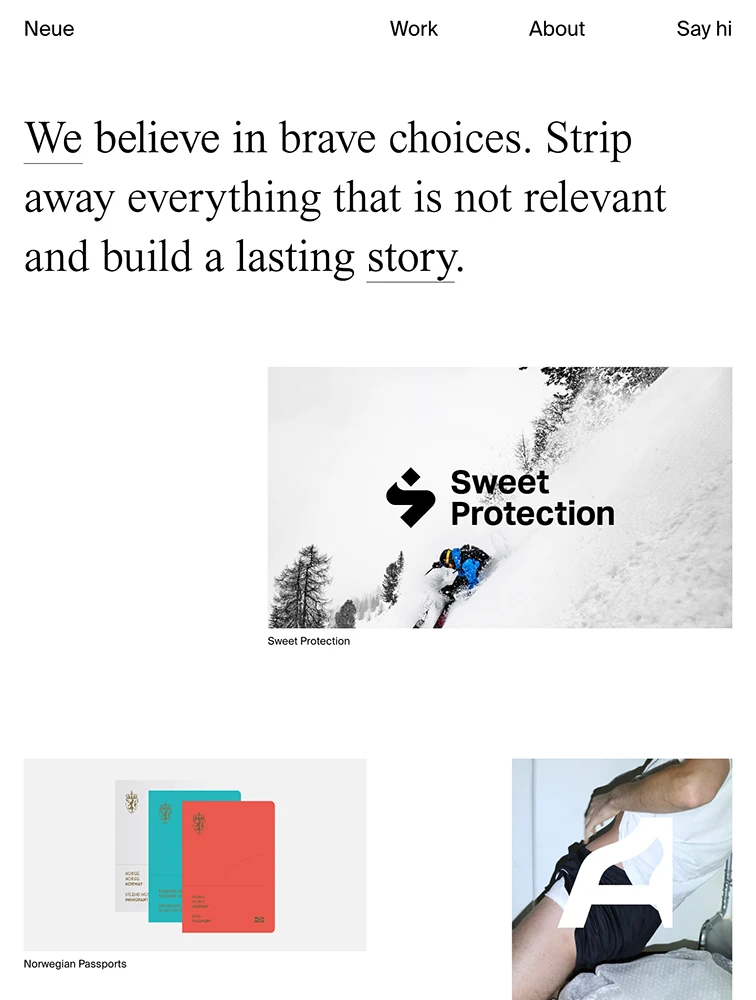
 Neue Design Studio
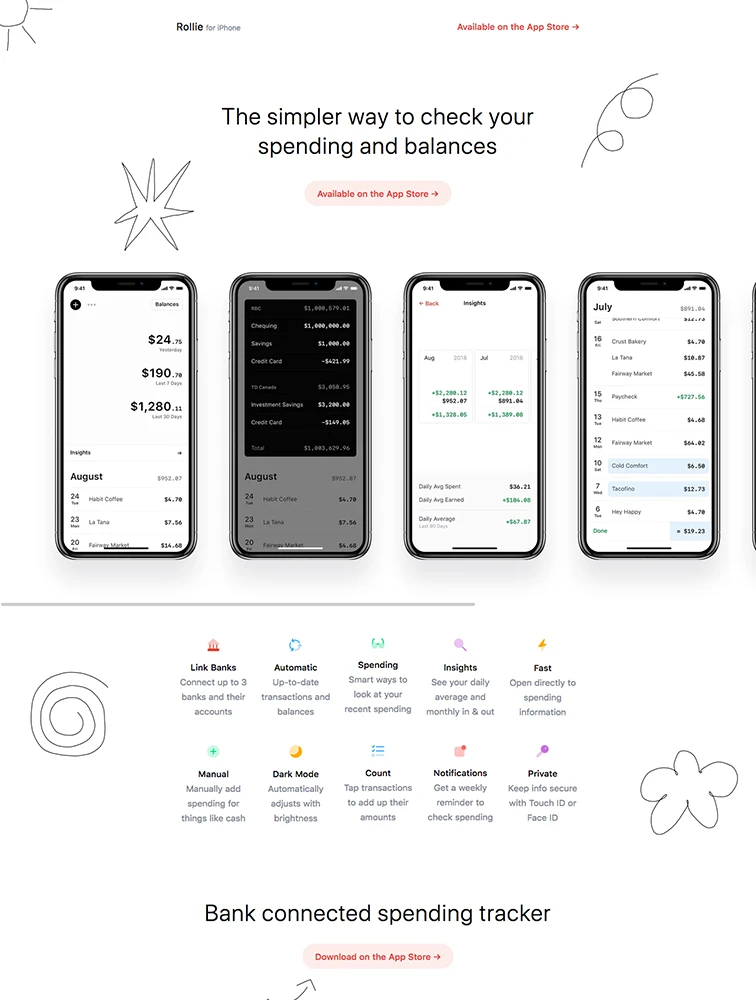
Rollie
Featured Partner
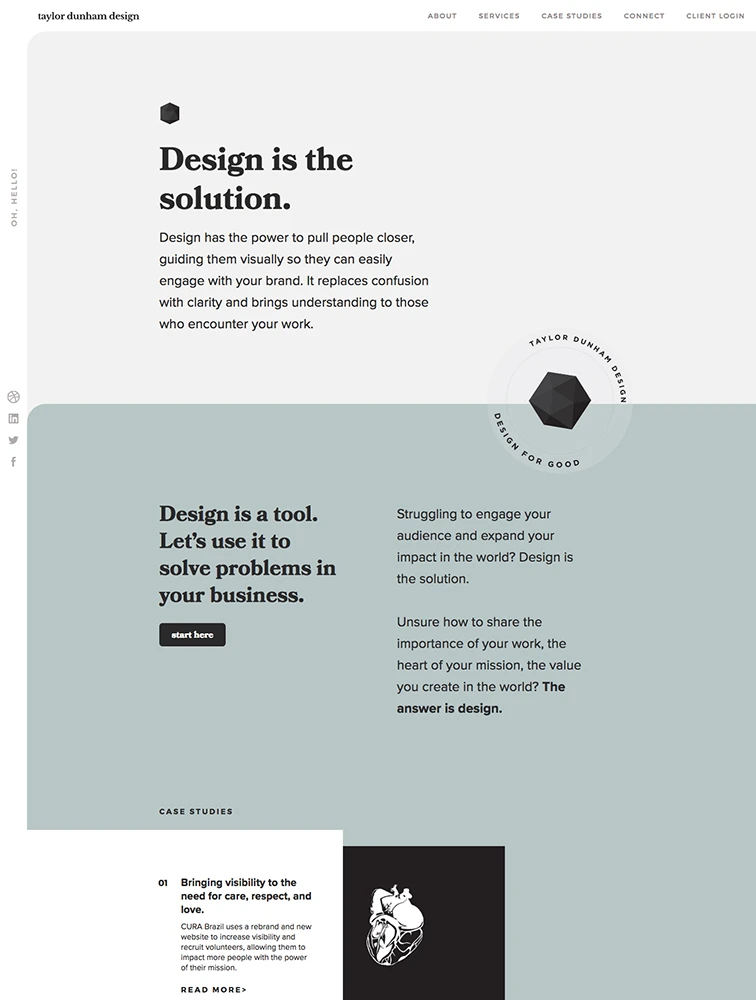
 Taylor Dunham Design
Featured Partner
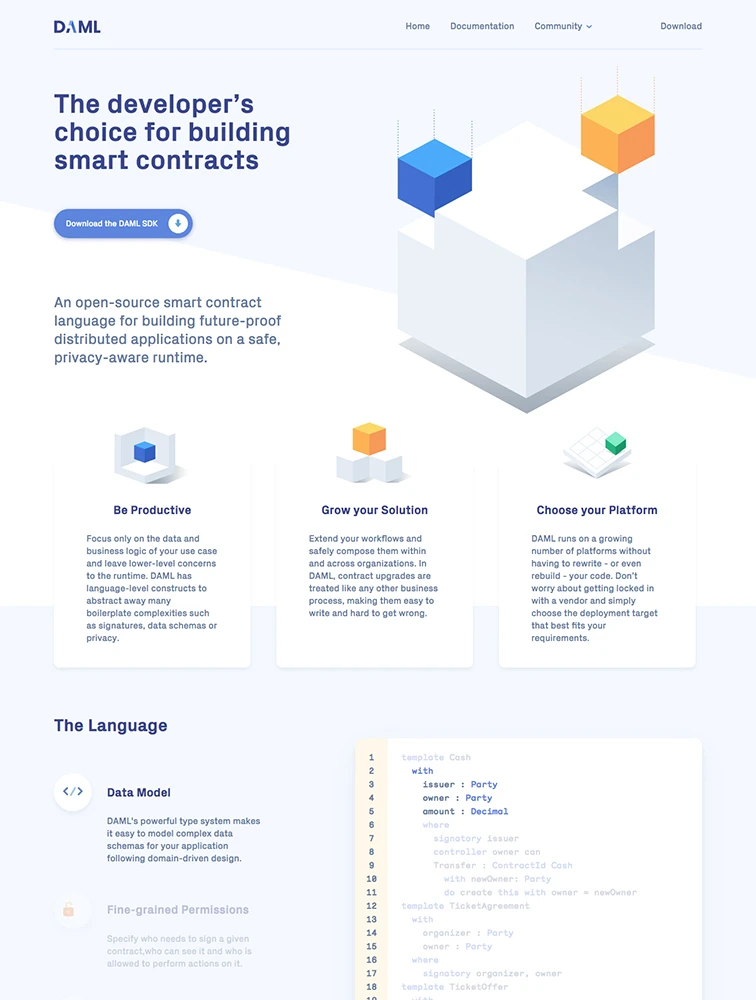
 DAML
DAML
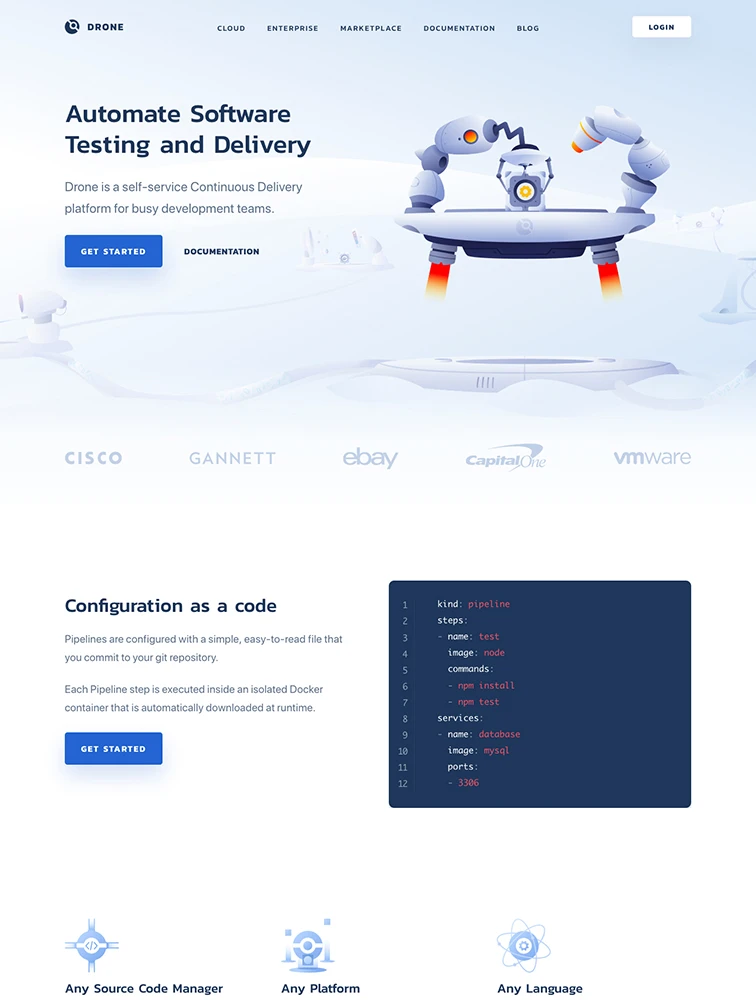
 Drone CI
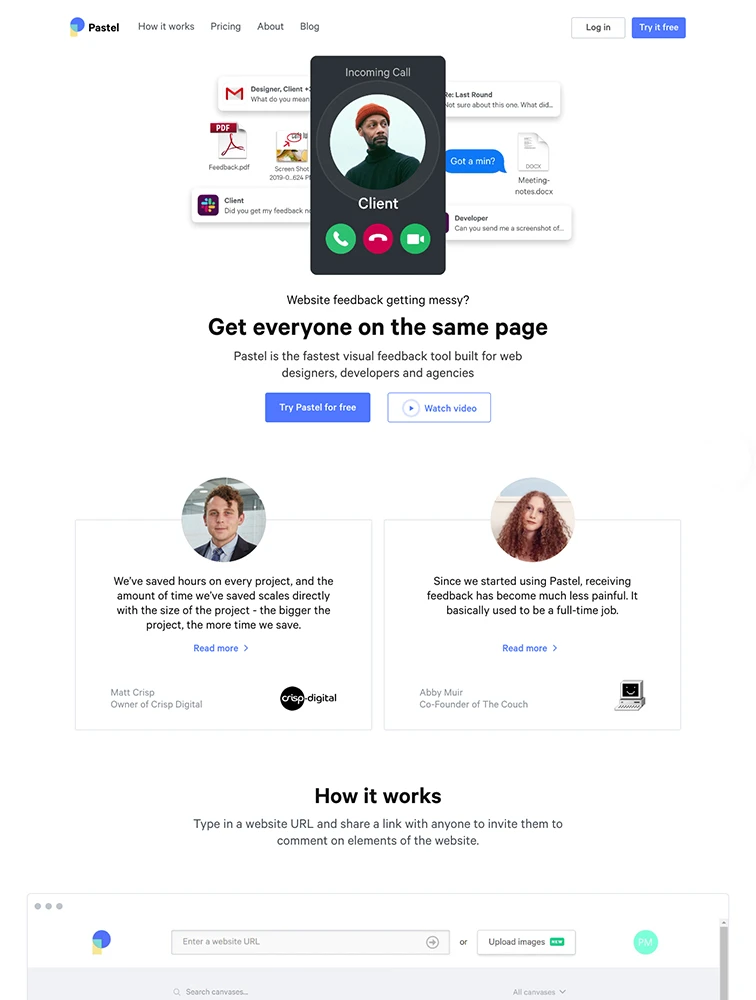
 Pastel
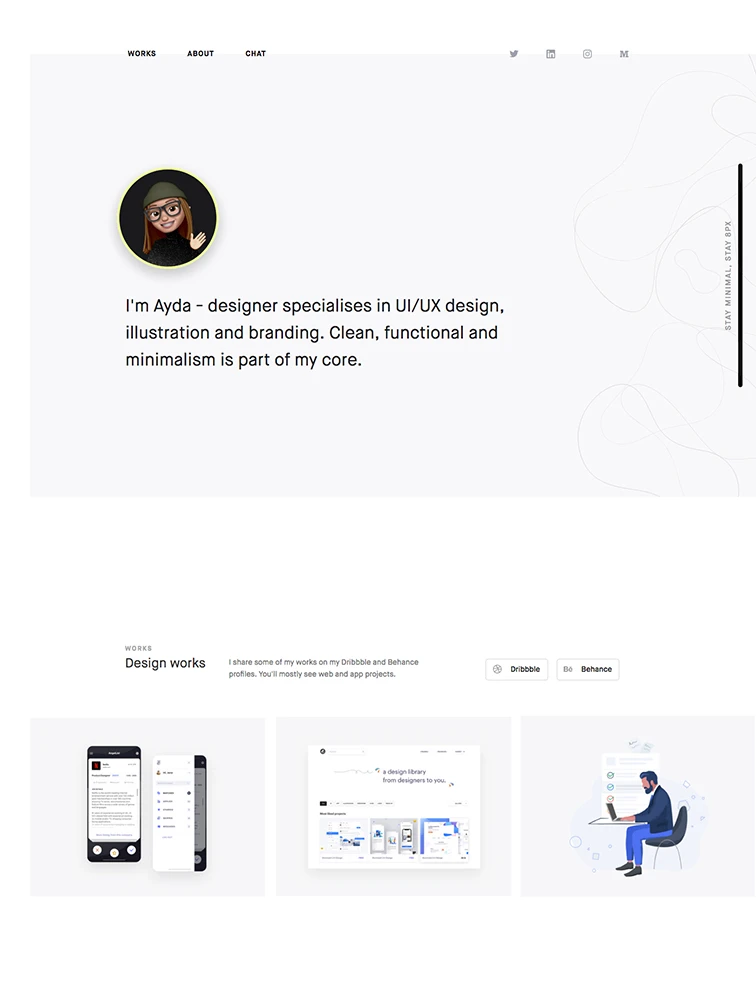
 Ayda Oz
Featured Partner
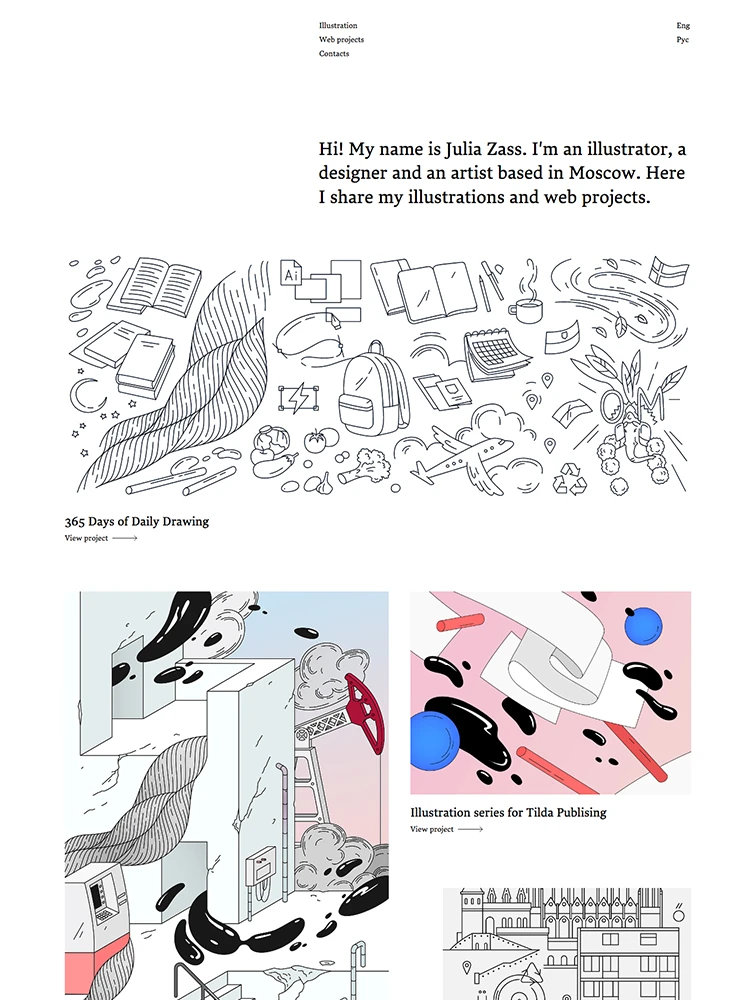
 Julia Zass
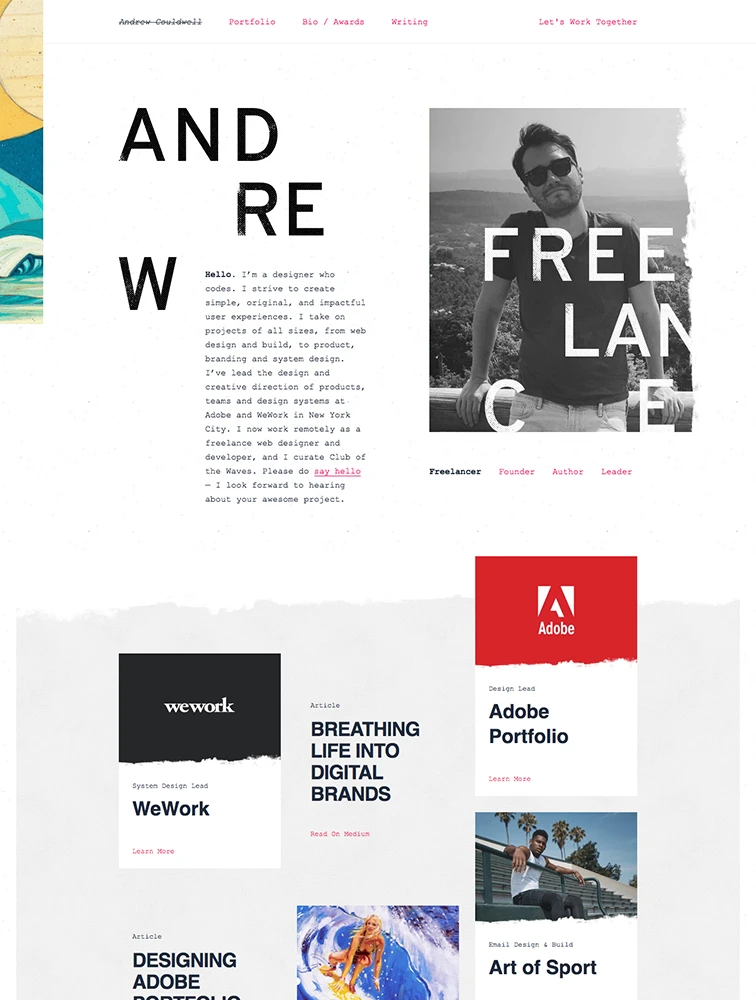
 Andrew Couldwell
Featured Partner
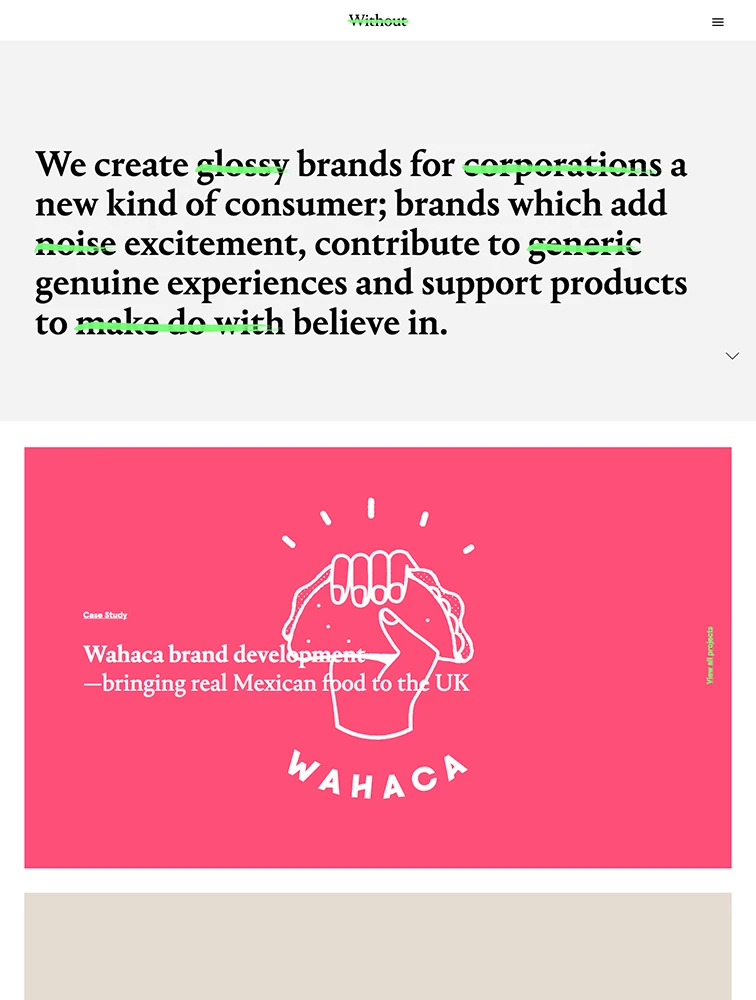
Without Studio
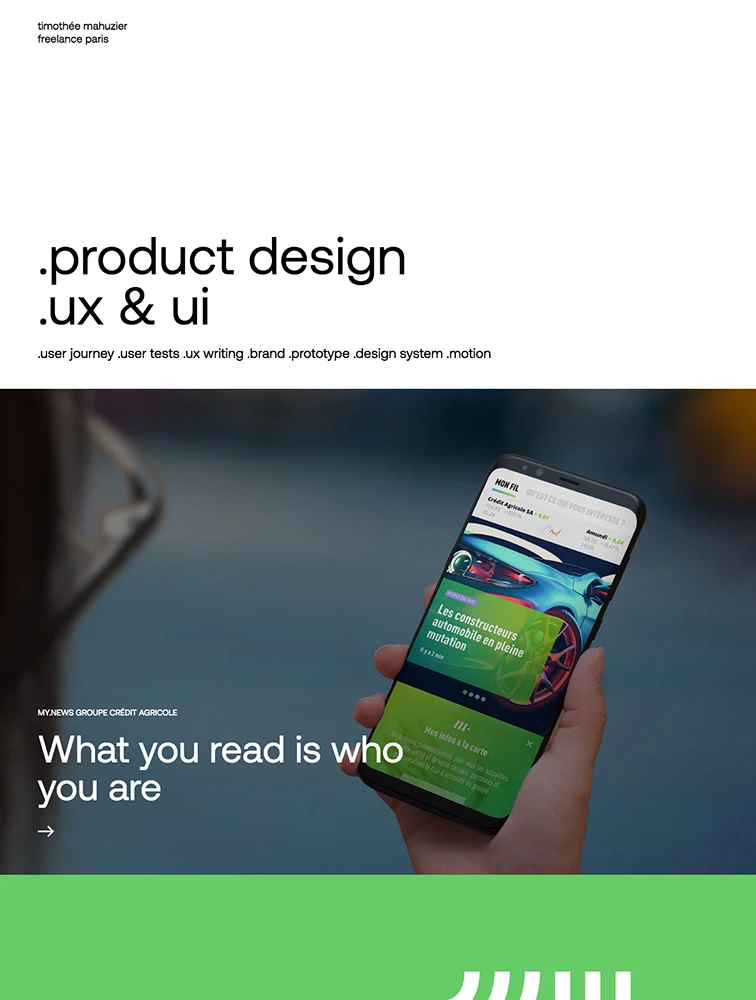
 Timothée Mahuzier
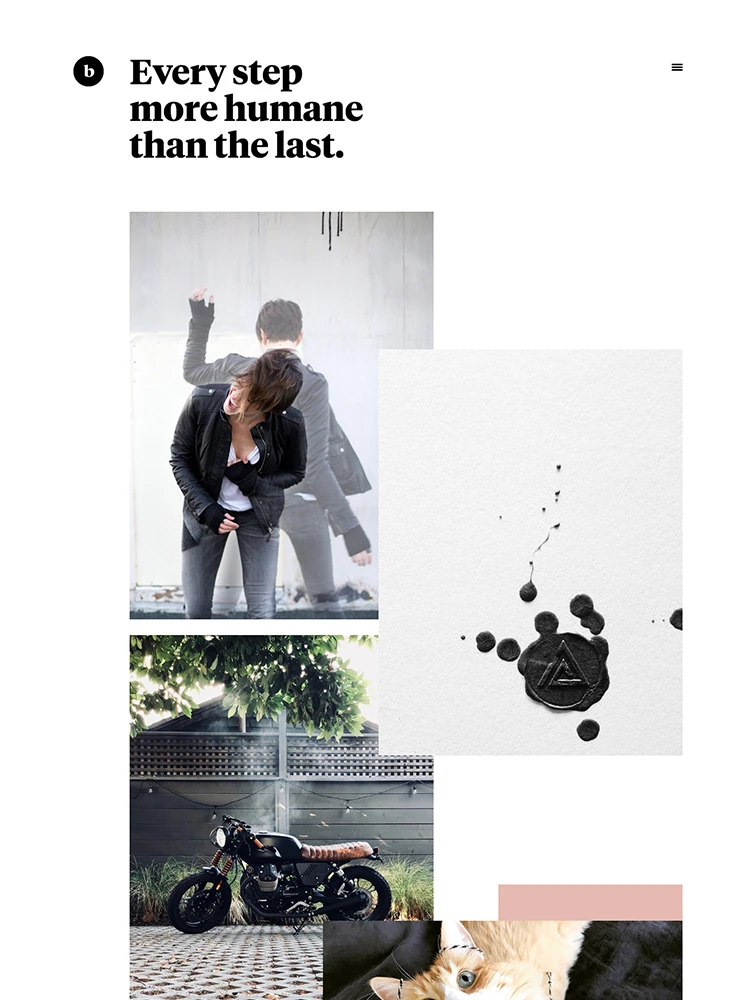
 Bek Stone
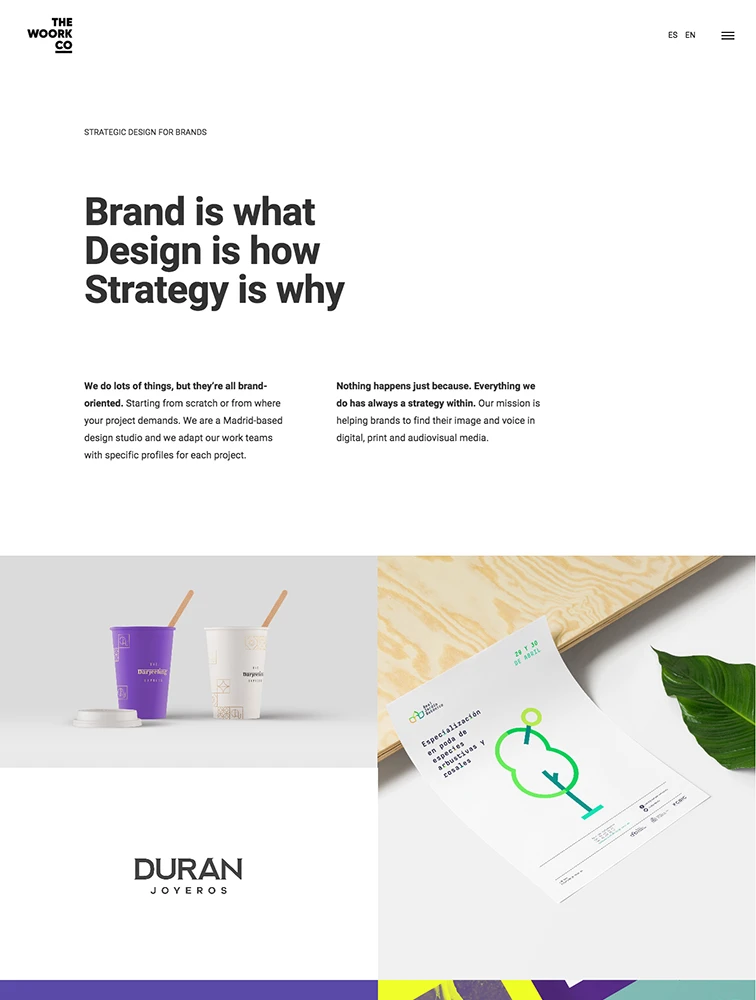
 The Woork Co

All Your Days
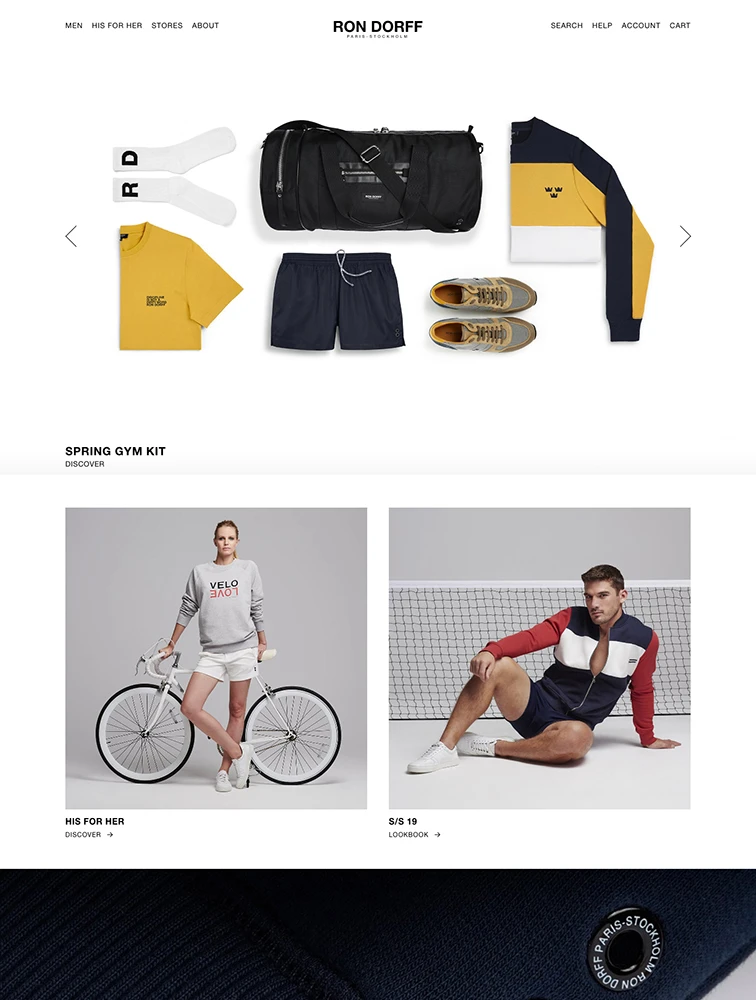
 Ron Dorff
Frequently Asked Questions
Everything you need to know about gray landing pages
Why use gray in landing page design?
Gray is a powerful color choice for landing pages because it conveys specific psychological associations and creates distinct emotional responses. Gray landing pages work particularly well for certain industries and brand personalities where the color's natural associations align with the message. When used strategically, gray backgrounds or accents can significantly impact conversion rates by directing attention to key elements, creating appropriate mood and atmosphere, reinforcing brand identity, and differentiating from competitors. The key is understanding color psychology and ensuring gray supports rather than conflicts with your value proposition and target audience preferences.
What types of brands work well with gray landing pages?
Gray landing pages work exceptionally well for specific brand types and industries. The color's psychological associations make it ideal for brands wanting to communicate certain values or emotions. When choosing gray for landing pages, consider whether your brand personality, target audience, and product category align with the color's natural meanings. Some industries naturally benefit from gray while others may find it creates cognitive dissonance. Test gray with your specific audience, as color perception can vary by culture, age group, and individual preference. The most successful gray landing pages use the color intentionally to enhance messaging rather than as arbitrary aesthetic choice.
What are best practices for designing gray landing pages?
To design effective gray landing pages that convert: (1) Ensure sufficient contrast between gray elements and text for readability, meeting WCAG accessibility standards of at least 4.5:1 contrast ratio, (2) Use gray strategically rather than overwhelmingly - as accent color, background, or highlight depending on intensity, (3) Pair gray with complementary colors that enhance rather than clash, (4) Test different shades and tones of gray to find the right balance for your brand, (5) Consider cultural associations with gray if targeting international audiences, (6) Make CTA buttons stand out against gray with high-contrast colors, (7) Use gray consistently with your overall brand color palette, (8) Test on different devices and in various lighting conditions, and (9) A/B test gray against alternative colors to measure actual impact on conversion rates.
How does gray affect landing page conversion rates?
Gray can significantly impact conversion rates both positively and negatively depending on implementation, industry, and audience. The color's psychological effects influence visitor perception, emotional response, and action-taking behavior. When gray aligns with brand positioning and audience expectations, it can increase conversions by creating appropriate mood, improving readability and visual hierarchy, making CTAs more noticeable, and differentiating from competitors. However, poor gray implementation can reduce conversions through readability issues, audience mismatch, or inappropriate emotional associations. Best practice is A/B testing gray against alternatives with your specific audience and conversion goals, as color impact varies significantly by industry, product type, and demographic factors.
What are common mistakes with gray landing pages?
Common gray landing page mistakes include: (1) Insufficient contrast making text difficult to read, particularly problematic for accessibility, (2) Overuse of gray creating visual overwhelm or monotony, (3) Choosing gray based solely on aesthetic preference rather than strategic purpose, (4) Ignoring cultural color associations that may differ across target markets, (5) Making gray compete with rather than complement CTAs, (6) Using gray inconsistent with brand identity creating confusion, (7) Failing to test gray on different devices and screen types, (8) Applying trendy gray shades that quickly date the design, (9) Not considering how gray reproduces in print or other media if relevant, and (10) Assuming gray will universally appeal without audience testing. Successful gray landing pages use the color purposefully to enhance conversion rather than hinder it.