Best Isometric Landing Page Design Inspiration
Discover isometric website designs. Professional, responsive designs for your next project.
Webflow

Mobbin.com
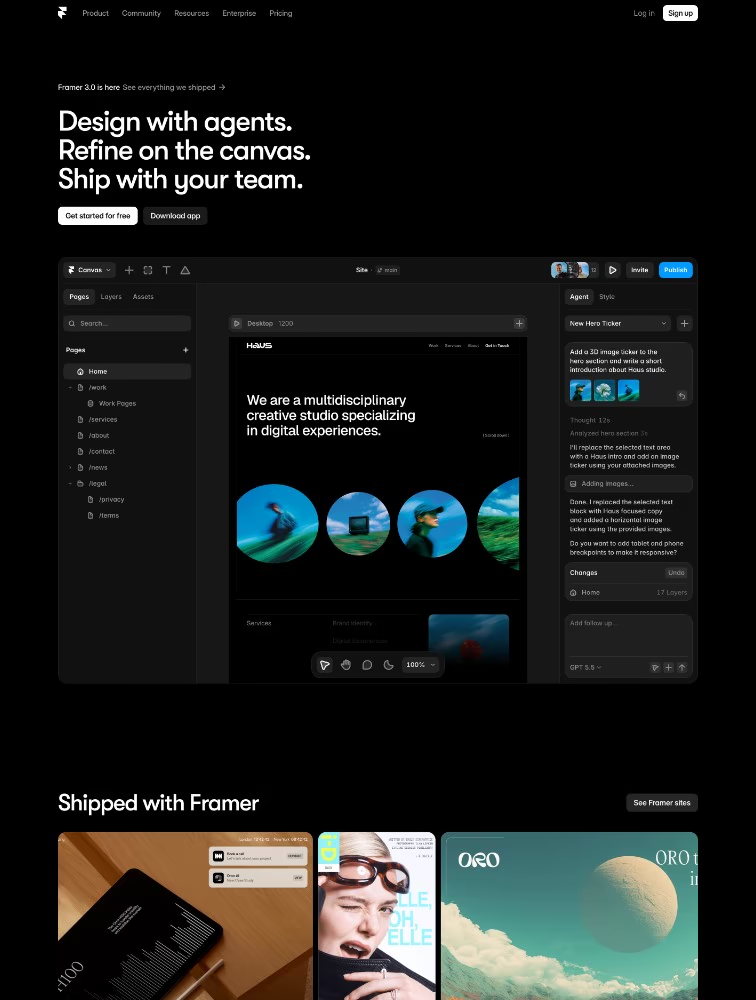
Framer 3.0

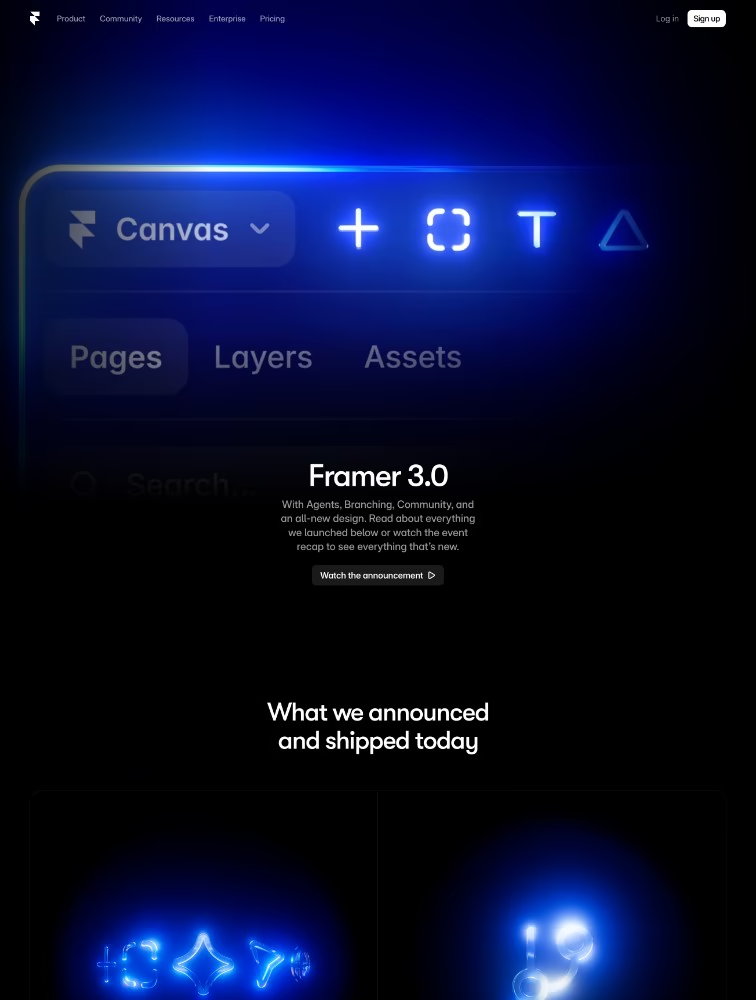
Framer 3.0

Webflow
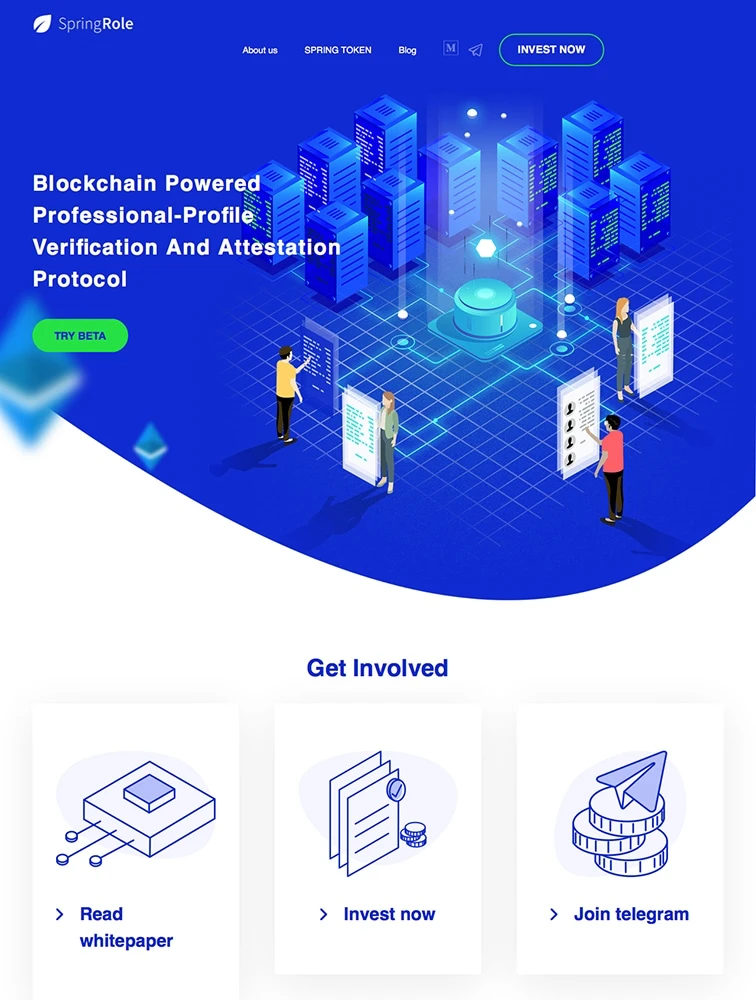
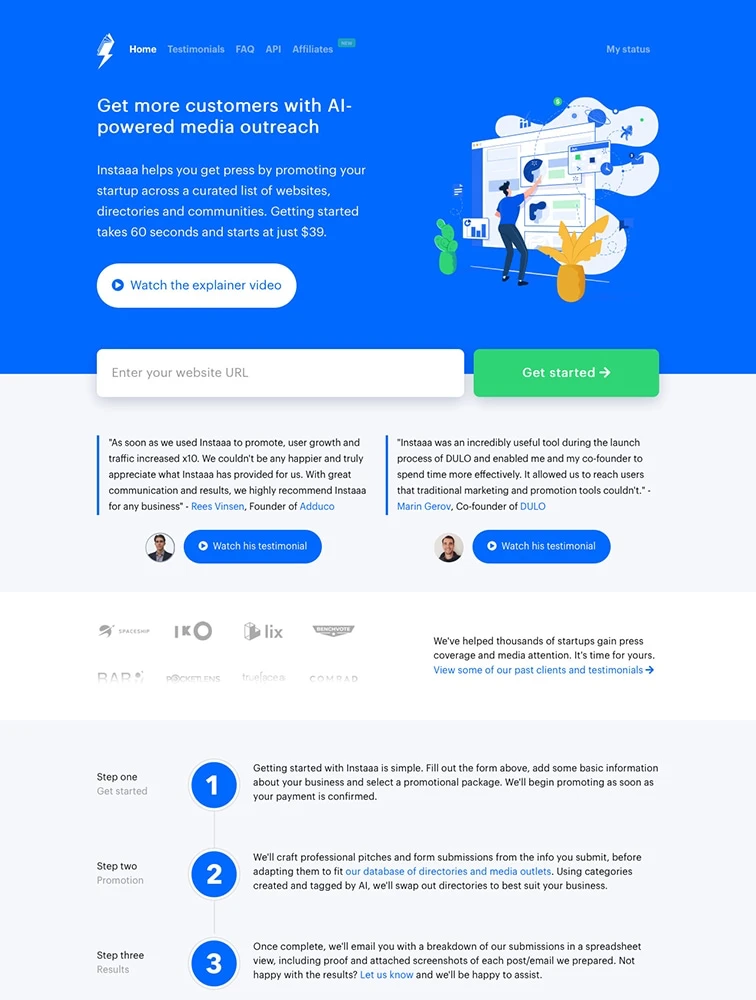
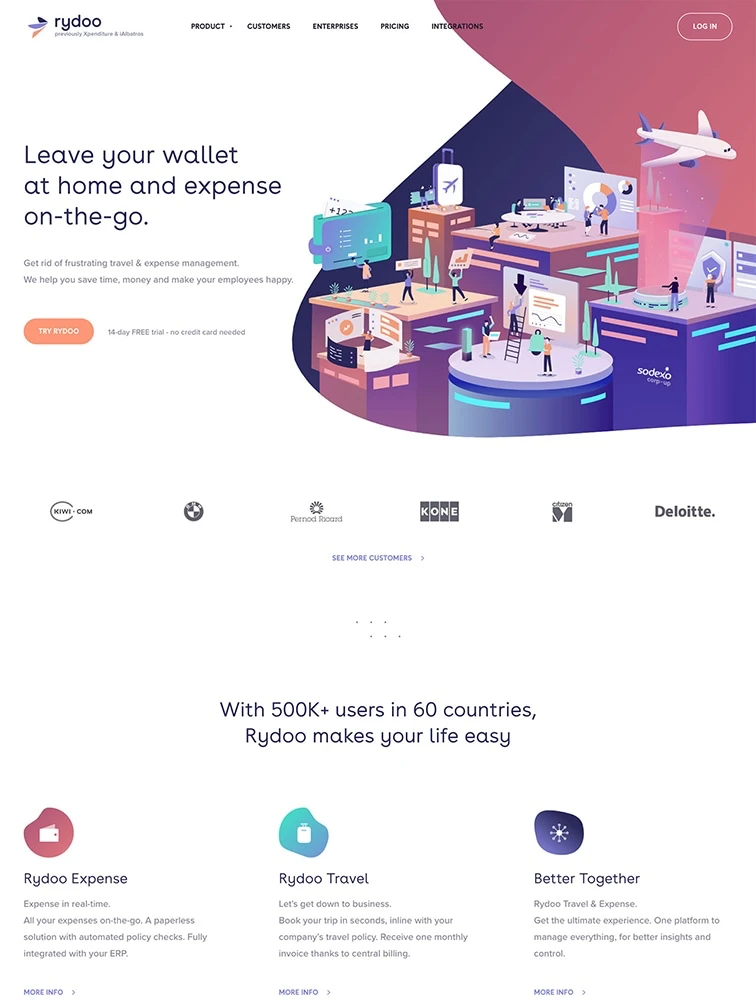

Our Sponsored

Frequently Asked Questions
Everything you need to know about isometric landing pages
What are Isometric landing pages?
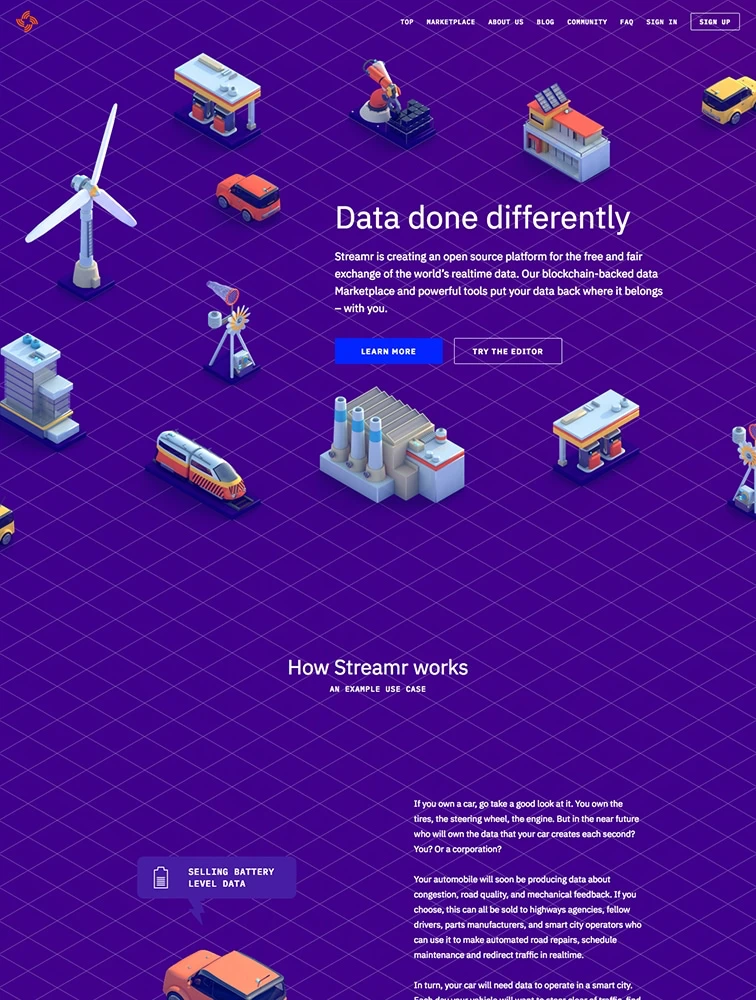
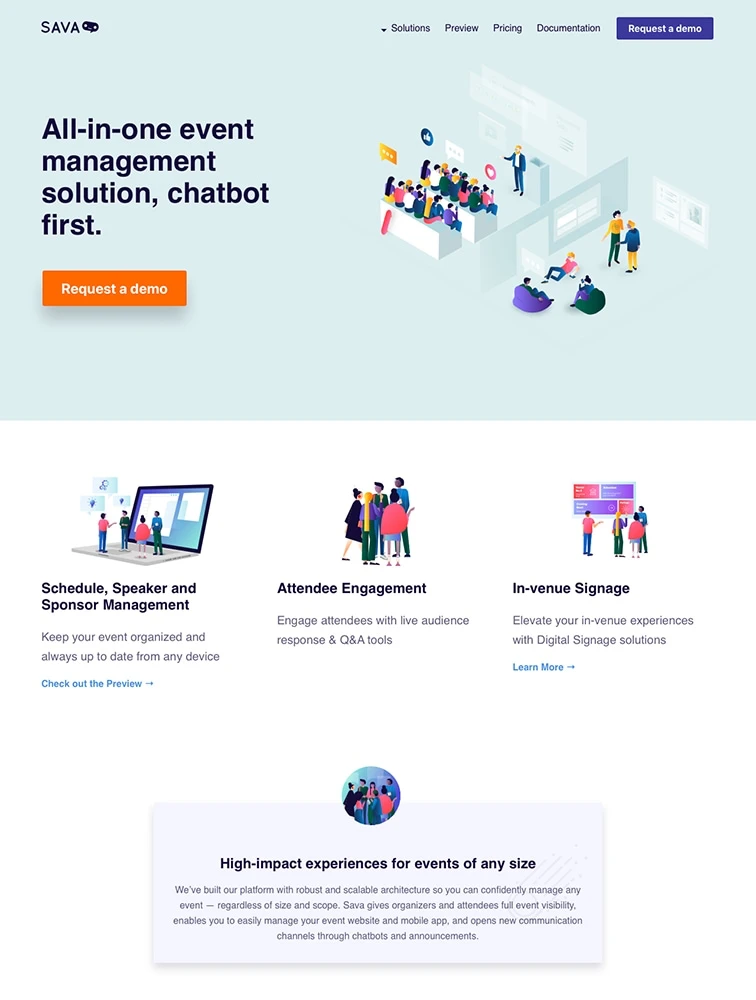
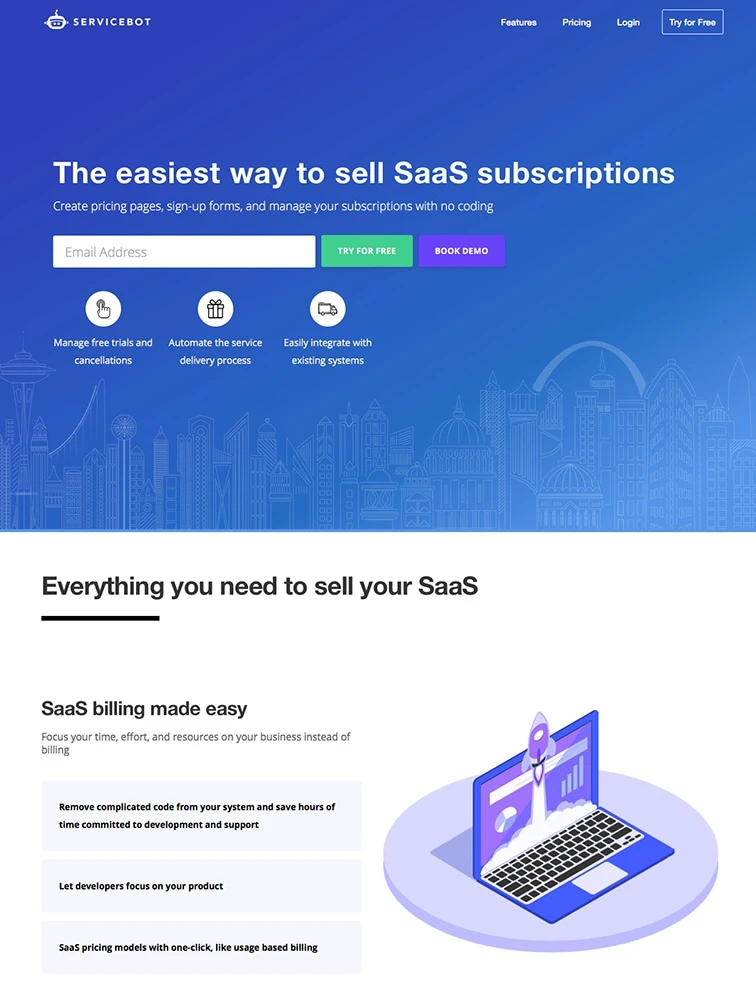
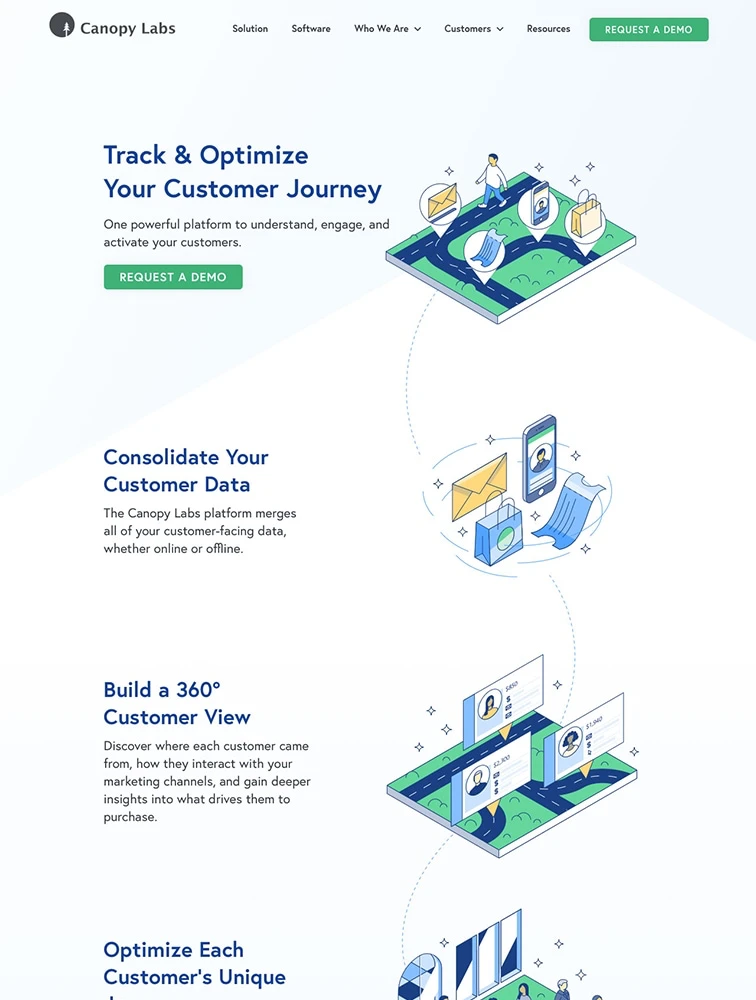
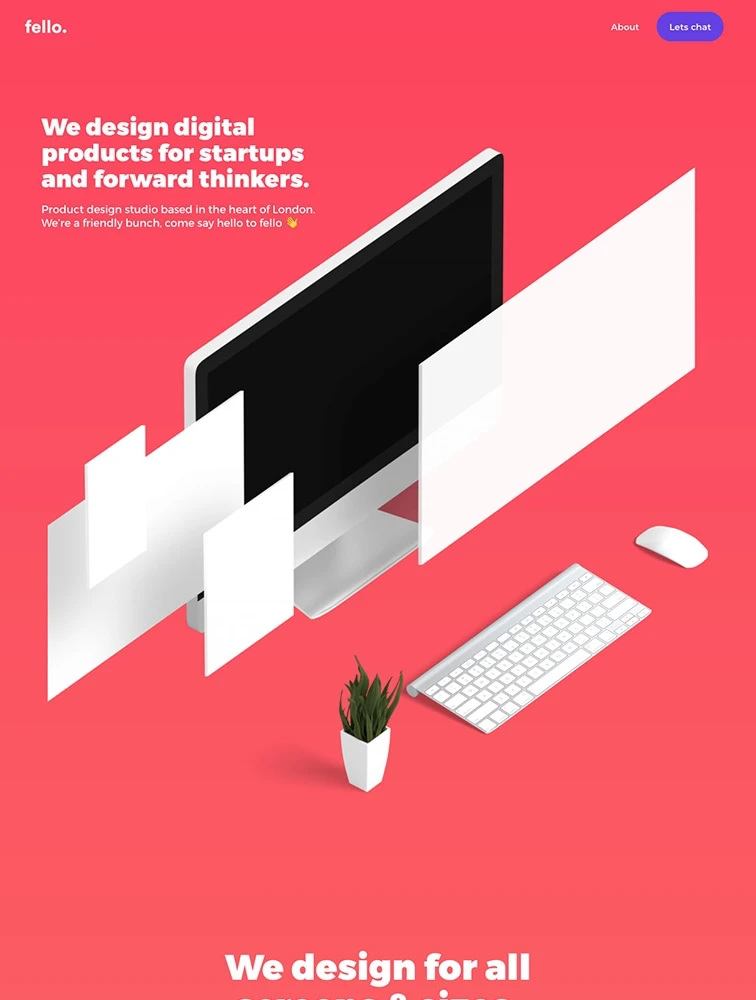
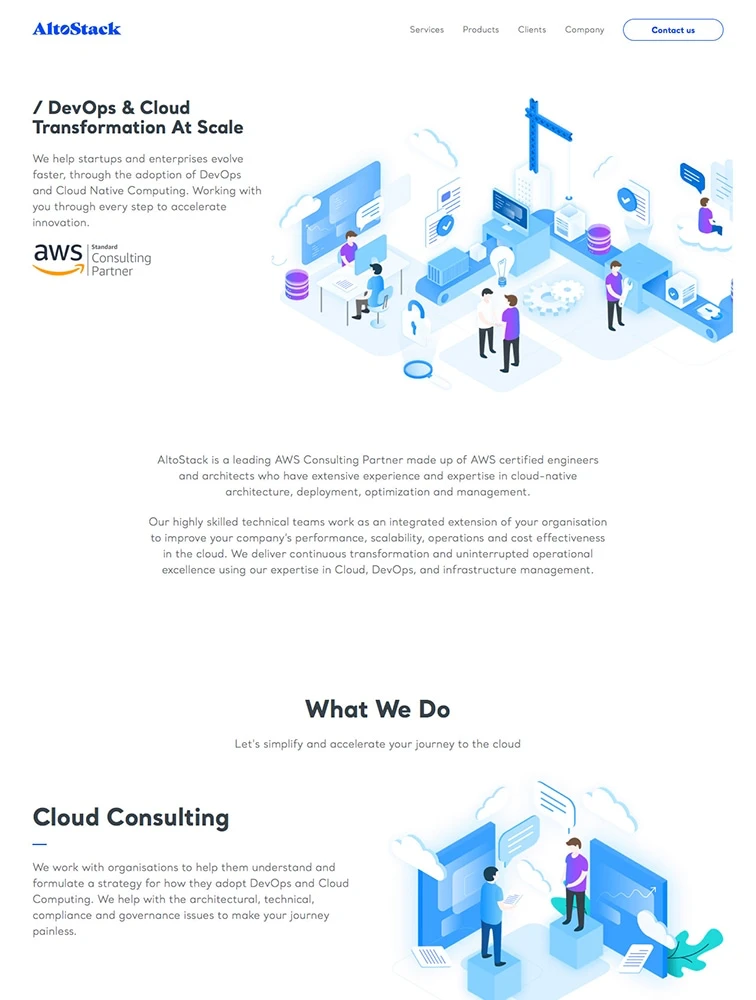
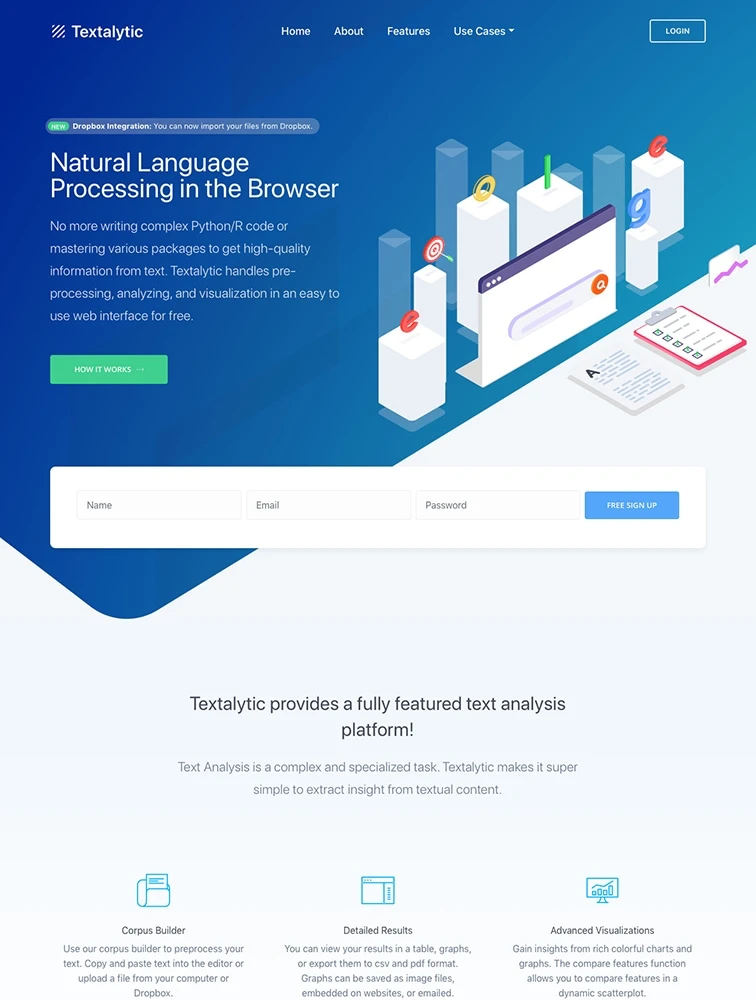
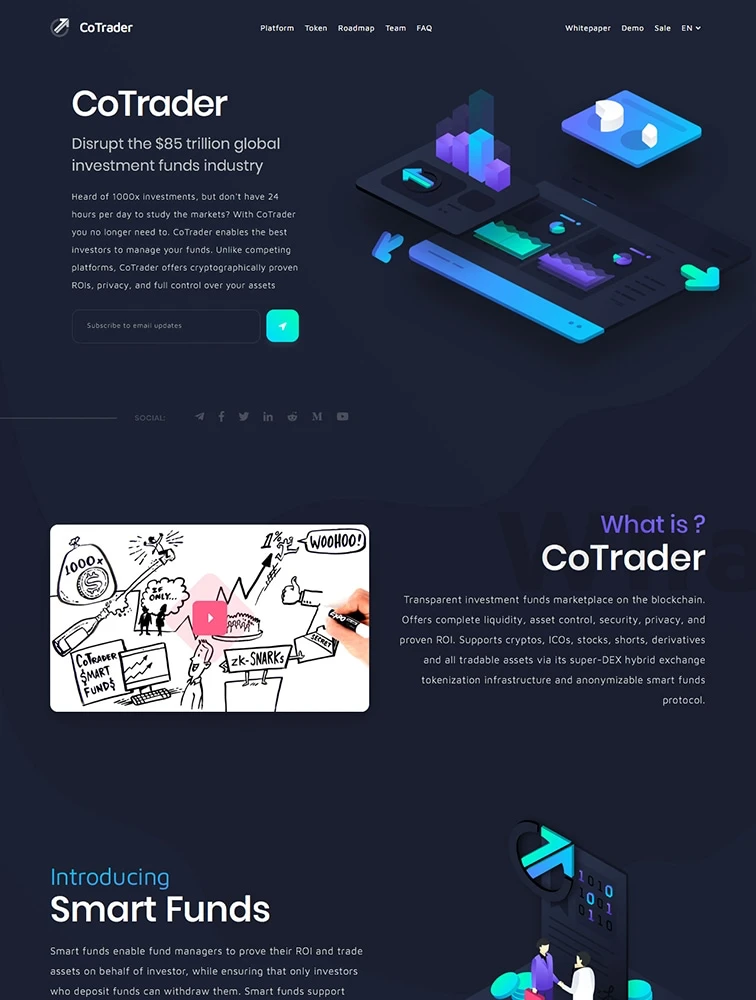
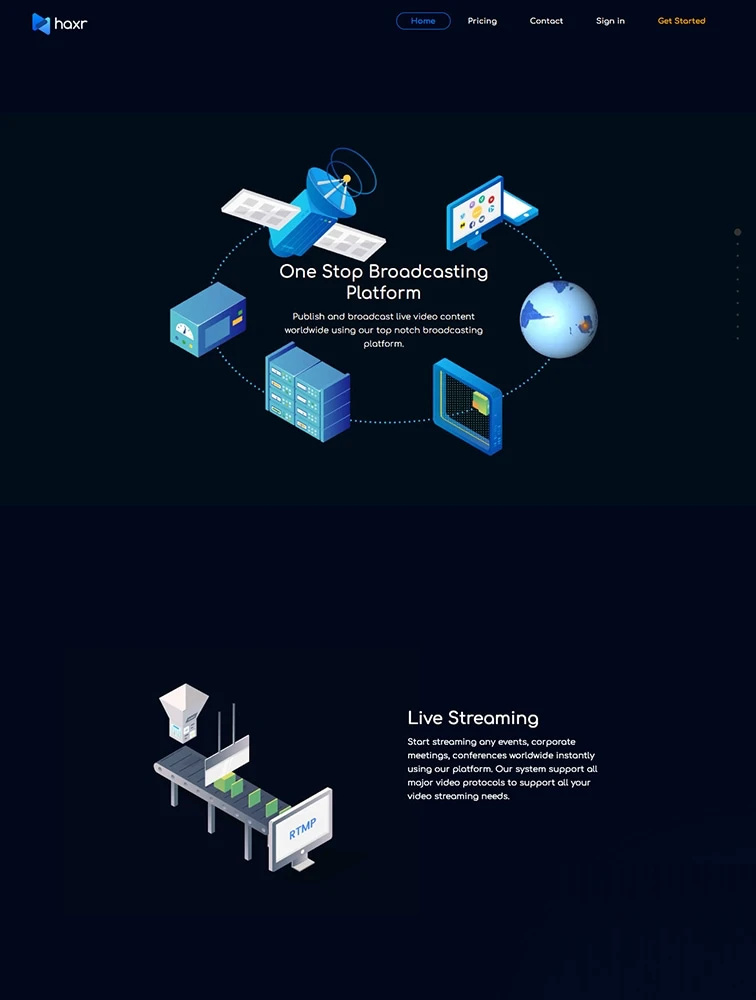
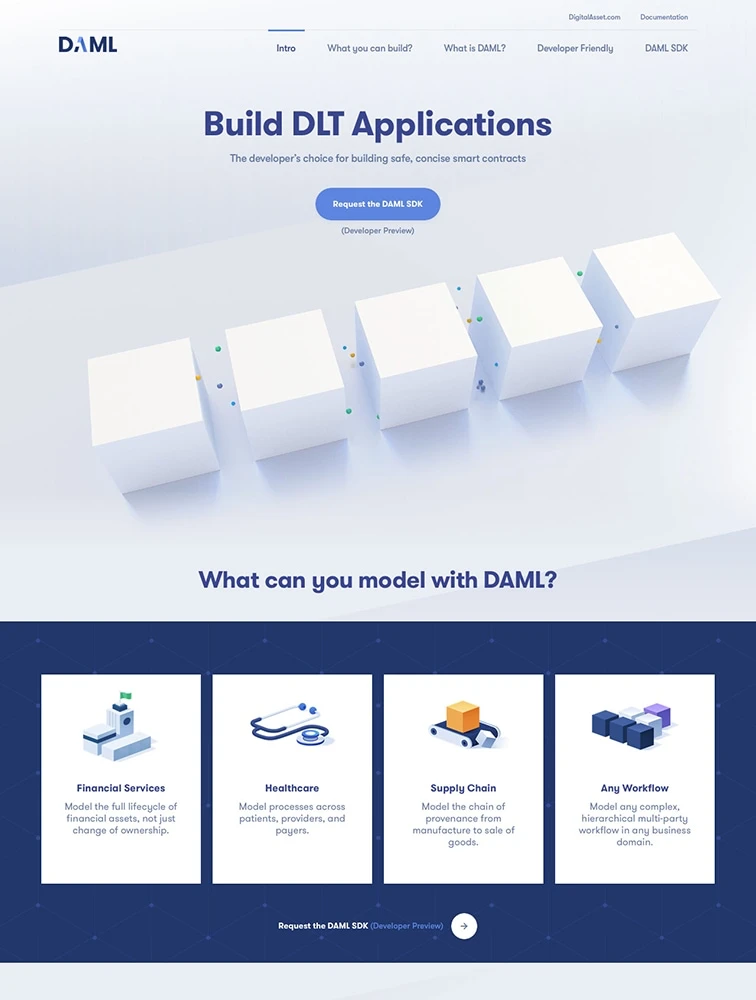
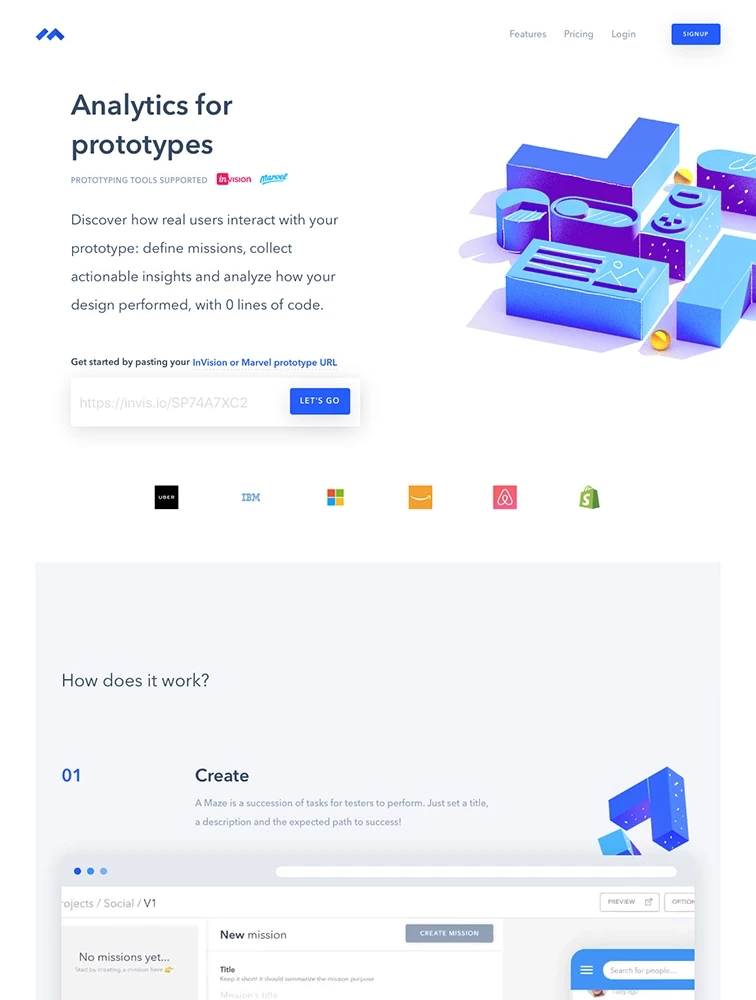
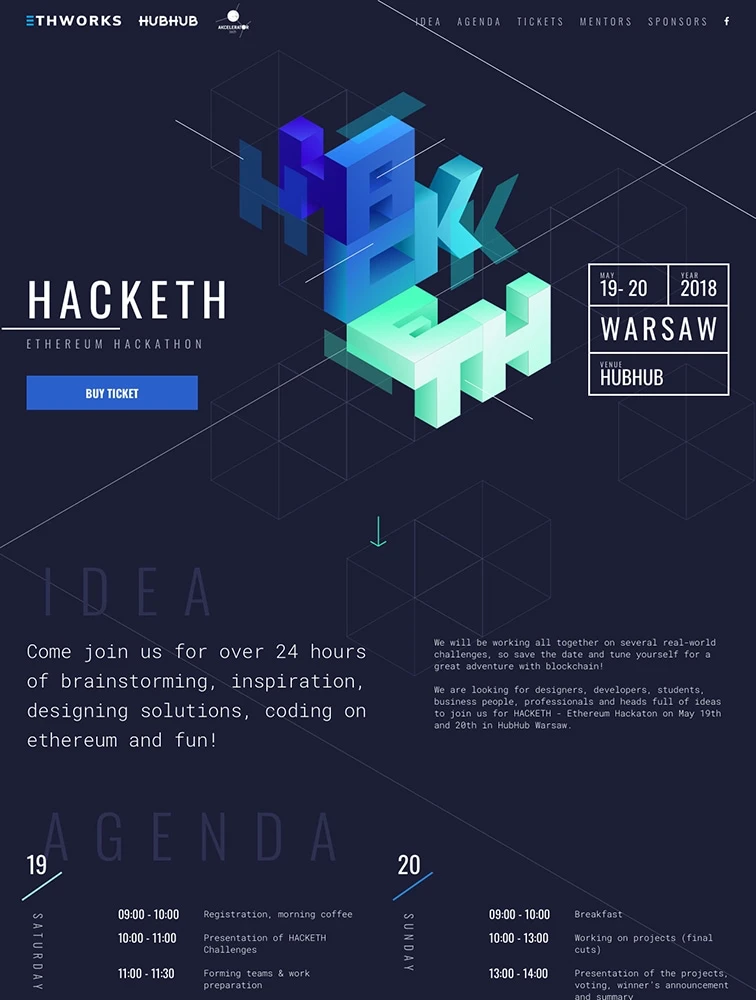
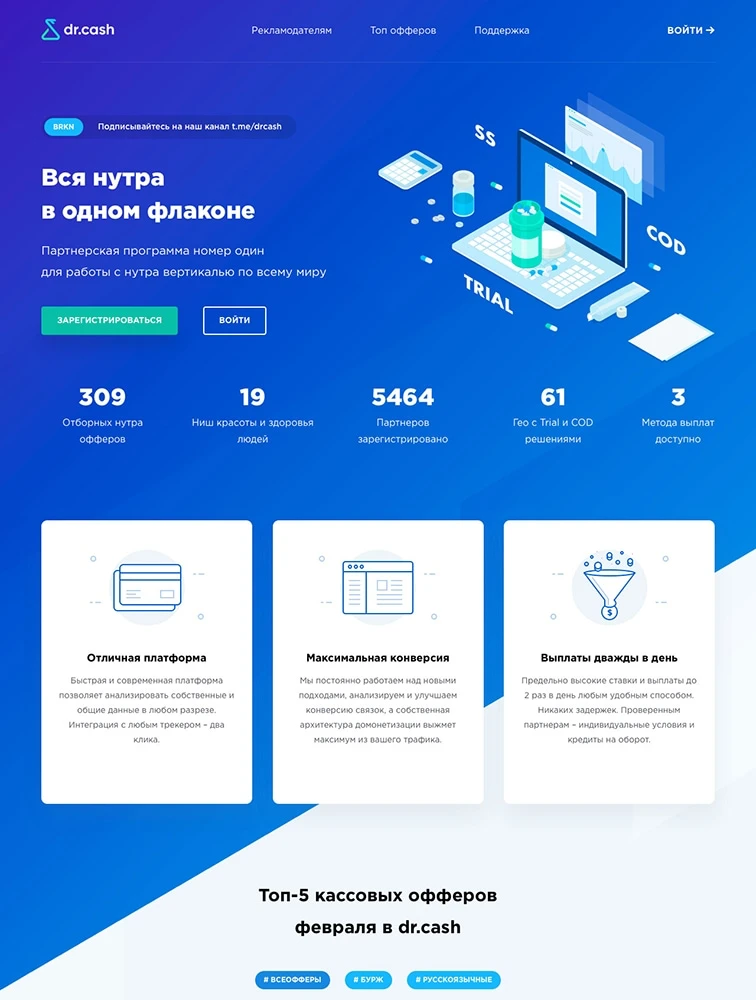
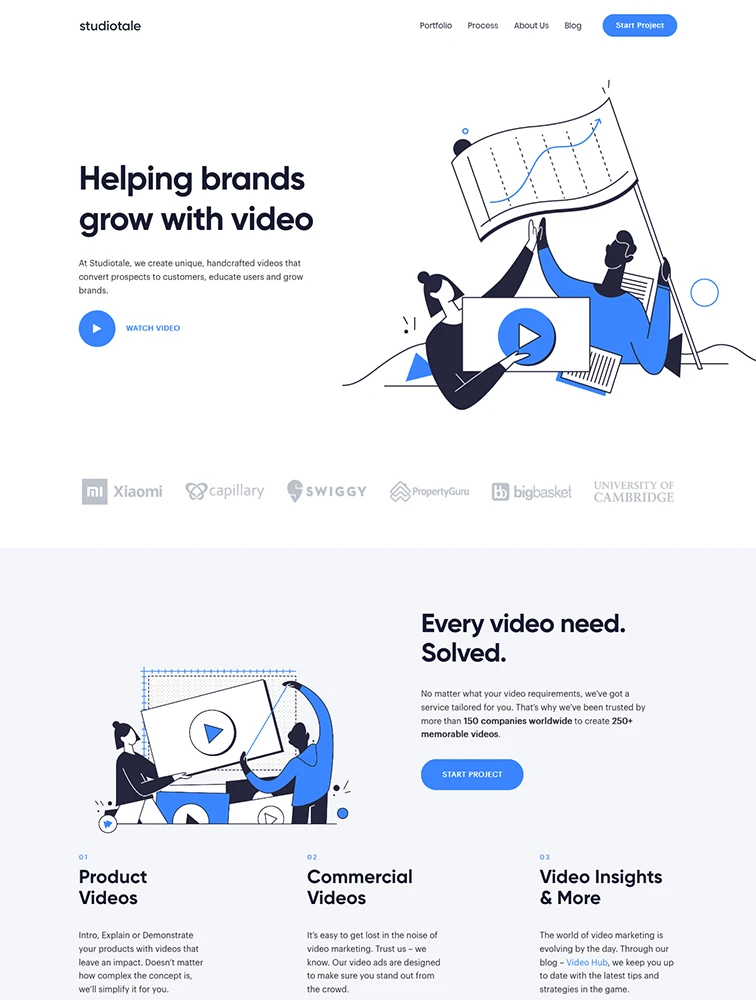
Isometric landing pages feature pseudo-3D illustrations using isometric projection, creating depth and dimension without full 3D rendering. This design approach uses parallel lines at specific angles (typically 30 degrees) to show objects in three dimensions while remaining flat graphics. On Lapa.ninja, isometric landing pages showcase how this technique effectively explains complex systems, visualizes product features, creates engaging hero sections, and establishes modern tech-forward aesthetics. Isometric illustrations are particularly popular for SaaS products, tech platforms, workflow tools, and any service benefiting from spatial or process visualization.
Why use isometric illustrations on landing pages?
Isometric illustrations offer unique advantages: They simplify complex concepts by visualizing abstract systems, workflows, or data flows in understandable three-dimensional representations. They create visual interest and depth without heavy 3D rendering that slows page load. They establish modern, tech-forward brand perception appealing to innovative audiences. They remain culturally neutral and infinitely customizable to exact brand colors and styles. They can be created as lightweight SVG files loading faster than photography. They showcase multiple product features or workflow steps in single comprehensive scenes. They differentiate from photography-heavy competitors with distinctive visual language. They work exceptionally well for explaining technical products, process flows, feature ecosystems, and spatial relationships.
What are best practices for isometric landing page design?
Isometric design best practices: Maintain consistent angle and perspective across all illustrations (typically 30-degree angles) for visual coherence. Use brand colors strategically within illustrations for consistency and recognition. Keep illustrations purposeful - each should explain features, demonstrate benefits, or guide user understanding. Optimize SVG files for web performance, removing unnecessary elements and compressing when possible. Balance illustration complexity with clarity - too many details overwhelm, too few fail to communicate. Ensure mobile responsiveness with simplified or alternative illustrations for small screens. Add subtle animations to isometric elements drawing attention without distraction. Integrate illustrations with UI elements creating cohesive experience. Provide text alternatives for accessibility. Test that illustrations enhance rather than distract from conversion goals.
What types of products work best with isometric landing pages?
Isometric illustrations excel for: SaaS platforms visualizing software interfaces, dashboards, or feature ecosystems. Workflow and productivity tools showing step-by-step processes spatially. Cloud services and infrastructure platforms illustrating technical architecture. Collaboration tools demonstrating team interactions and information flow. Analytics and data platforms visualizing information gathering and reporting. Project management software showing task relationships and timelines. Developer tools illustrating code environments and technical workflows. However, isometric designs may be less suitable for: Emotional, lifestyle-focused products benefiting from photography. Simple, straightforward services not requiring spatial visualization. Traditional industries expecting formal, conservative presentation. Products where human connection and emotion matter more than process understanding.
Where can I find isometric landing page inspiration?
Explore lapa.ninja/category/isometric for curated examples. When reviewing: analyze how successful pages use isometric illustrations to explain complex features simply, note color schemes and how brand colors integrate into illustrations, study illustration density and complexity levels, observe how isometric elements integrate with text and UI components, identify animation approaches and interaction patterns, note which industries and product types benefit most, screenshot specific illustration styles you could adapt, consider performance and file size implications, evaluate mobile implementations and responsive strategies, and extract principles for visualizing your own product features or processes isometrically.